Career Opportunities in Fashion Designing: A Complete Guide
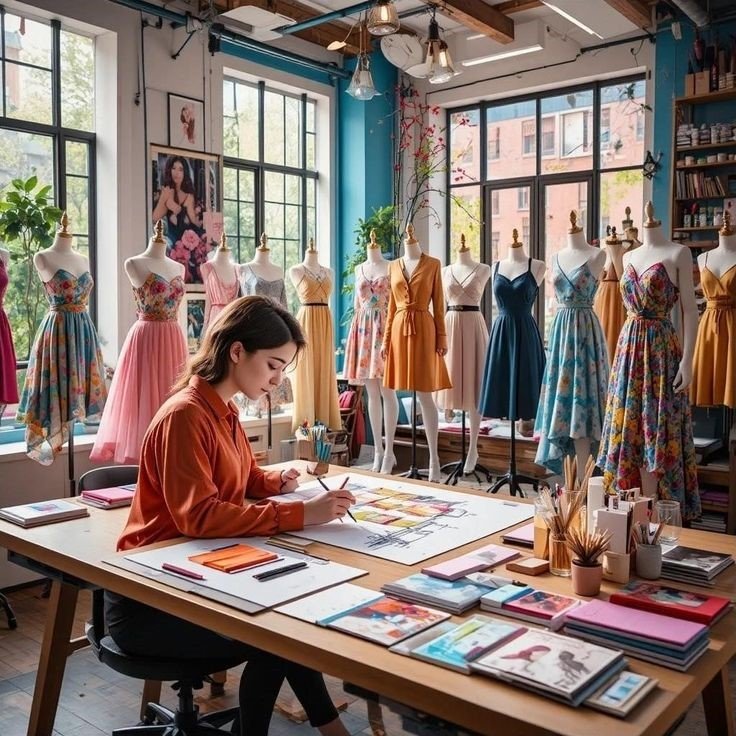
Fashion designing is more than creating attractive clothes. It is a creative and evolving profession that combines artistic expression, technical knowledge, business understanding, and awareness of consumer trends. As fashion continues to expand across apparel, accessories, luxury brands, e-commerce, entertainment, and sustainable design, students with the right skills can explore diverse career opportunities.
For aspiring designers, understanding the available career paths is important before choosing a specialization. Whether you are interested in clothing design, styling, textiles, jewellery, or fashion business, the industry offers opportunities for both creative professionals and entrepreneurs.
Why Choose a Career in Fashion Designing?
The fashion industry offers a wide range of career possibilities because it involves many areas beyond traditional clothing design. Brands require professionals who can create collections, develop textiles, coordinate shoots, style celebrities, manage production, and promote products digitally.
A career in fashion can be particularly suitable for individuals who enjoy creativity, visual communication, trends, and working on projects that have a tangible outcome.
Professional education can provide a structured way to develop these abilities. Choosing a reputed fashion design institute can help students learn design fundamentals, garment construction, textiles, fashion illustration, styling, and industry practices through a combination of classroom learning and practical projects.
1. Fashion Designer
A fashion designer is one of the most recognized career options in the industry. Fashion designers develop concepts and transform them into garments or collections.
Their responsibilities can include:
- Creating fashion sketches
- Selecting fabrics and materials
- Developing color palettes
- Creating samples
- Working with pattern makers
- Monitoring garment production
- Researching fashion trends
Designers can specialize in areas such as womenswear, menswear, childrenswear, bridal fashion, sportswear, luxury fashion, or casualwear.
With experience, designers may work for established brands or launch their own fashion labels.
2. Fashion Illustrator
Fashion illustrators communicate design concepts visually. They create sketches that help designers, manufacturers, and clients understand how a garment or collection should look.
While traditional drawing skills remain valuable, modern fashion illustrators may also use digital tools and design software.
This career can be suitable for individuals who have strong artistic abilities and enjoy developing visual concepts.
3. Fashion Stylist
Fashion stylists create complete looks for individuals, brands, publications, advertisements, films, television programs, and photoshoots.
A stylist may select:
- Clothing
- Accessories
- Footwear
- Jewellery
- Hairstyles and overall visual direction
Fashion stylists need a strong understanding of color coordination, body proportions, current trends, and visual storytelling.
With experience, stylists can work with celebrities, photographers, advertising agencies, fashion publications, and production companies.
4. Textile Designer
Textiles play an important role in fashion, and textile designers specialize in developing fabrics, prints, patterns, textures, and surface designs.
They may work on:
- Printed fabrics
- Embroidery
- Weaving
- Surface ornamentation
- Dyeing techniques
- Sustainable textiles
Textile designers can find opportunities with fashion brands, textile manufacturers, home furnishing companies, and independent design studios.
5. Fashion Merchandiser
Fashion merchandising combines creativity with business and marketing knowledge. Merchandisers help brands determine which products should be developed, produced, promoted, and sold.
Their work may involve:
- Market research
- Consumer analysis
- Product planning
- Pricing
- Inventory management
- Sales analysis
- Trend forecasting
This career is ideal for students who enjoy fashion but also have an interest in business and market behavior.
6. Fashion Buyer
Fashion buyers are responsible for selecting products that retailers or fashion companies should stock and sell.
They analyze consumer preferences, sales data, market trends, budgets, and upcoming collections before making purchasing decisions.
Successful buyers need strong negotiation, analytical, communication, and trend-forecasting skills.
7. Costume Designer
The entertainment industry also creates opportunities for fashion professionals. Costume designers develop clothing concepts for films, television shows, theatre productions, music videos, and other visual projects.
They research historical periods, characters, cultural references, and story requirements before developing costumes.
This career combines fashion knowledge with storytelling and visual creativity.
8. Fashion Entrepreneur
Fashion graduates do not necessarily have to work for another company. Entrepreneurship is another potential career path.
Designers can establish:
- Clothing brands
- Boutique stores
- Online fashion businesses
- Custom apparel studios
- Sustainable fashion labels
- Styling businesses
- Fashion accessories brands
Running a fashion business requires more than design skills. Entrepreneurs also need knowledge of branding, finance, marketing, production, customer service, and business operations.
9. Fashion Content Creator
The growth of social media and digital commerce has created new opportunities for fashion professionals.
Fashion content creators can produce:
- Styling videos
- Fashion tutorials
- Trend analysis
- Product reviews
- Behind-the-scenes content
- Fashion education
- Brand collaborations
Professionals can build personal brands on platforms such as Instagram, YouTube, and other social media channels.
Strong communication skills, creativity, consistency, and an understanding of digital content are important for this career.
10. Fashion Marketing Professional
Fashion brands need marketing professionals to connect their products with target customers. Fashion marketing combines industry knowledge with advertising, branding, social media, public relations, and digital marketing.
Professionals may work on:
- Campaign planning
- Social media marketing
- Influencer collaborations
- Product launches
- Brand positioning
- Fashion events
- Promotional campaigns
This career is suitable for people who enjoy both fashion and marketing.
Skills Needed for a Successful Fashion Career
Regardless of the chosen career path, developing a combination of creative and professional skills can improve career opportunities.
Important skills include:
1. Creative Skills
- Fashion illustration
- Color theory
- Design development
- Trend research
- Visual presentation
2. Technical Skills
- Garment construction
- Pattern making
- Textile knowledge
- Sewing techniques
- Fashion design software
3. Professional Skills
- Communication
- Teamwork
- Time management
- Presentation
- Problem-solving
- Business awareness
Students should also develop a strong portfolio because employers and clients often use portfolios to evaluate a designer’s creativity and technical capabilities.
How to Start a Career in Fashion Designing
A strong starting point is to develop foundational knowledge through structured education and practical experience. Students can explore diploma or degree-level programs depending on their career goals and educational background.
Practical exposure is equally important. Internships, workshops, fashion events, competitions, live projects, and industry interactions can help students understand how professional fashion environments operate.
Building a portfolio throughout the learning process is also essential. Instead of simply collecting finished designs, students should demonstrate their research, concept development, sketches, material selection, experimentation, and outcomes.
Future Scope of Fashion Designing
The future of fashion offers opportunities across traditional and emerging areas. E-commerce, sustainable fashion, digital design, personalized clothing, fashion technology, social media, and global markets are changing how fashion products are created and marketed.
Professionals who continuously update their skills and understand changing consumer preferences can adapt more effectively to these developments.
Final Thoughts
Fashion designing offers far more career options than simply becoming a clothing designer. From fashion illustration and styling to merchandising, textiles, entrepreneurship, marketing, and digital content creation, aspiring professionals can choose a path that matches their interests and strengths.
The key to building a successful career is to combine creativity with technical knowledge, practical experience, communication skills, and industry awareness. With the right education, portfolio, and continuous learning, fashion enthusiasts can turn their creative interests into rewarding professional opportunities.