The Complete Guide to Choosing and Styling Lab-Grown Diamond Jewellery
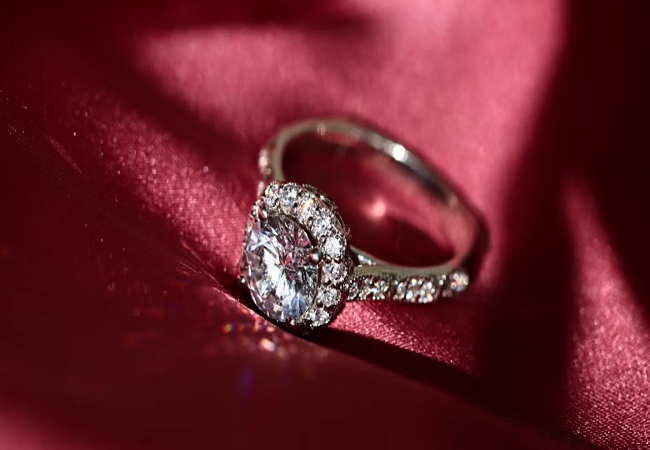
Lab-grown diamonds have quietly shifted from a niche alternative to a mainstream choice on jewellery counters. The appeal isn’t just the lower price tag – it’s that buyers today want jewellery that looks good, holds up over years of wear, and doesn’t require a compromise on brilliance.
The best jewellery isn’t the one that costs the most – it’s the one that fits how you actually live.
This guide breaks down how lab-grown diamonds differ from mined ones, what to check before buying, and how to style pieces so they don’t just sit in a box for special occasions.
What Makes Lab-Grown Diamonds Different
Lab-grown diamonds are created in controlled lab environments using processes that replicate how natural diamonds form under heat and pressure. Chemically, optically, and structurally, they’re identical to mined diamonds – the difference lies only in origin, not composition.
Because they skip the mining and years-long extraction process, lab-grown diamonds are typically priced 30–40% lower than natural diamonds of the same carat, cut, and clarity. That price difference lets buyers choose a larger stone or a more elaborate setting within the same budget.
Understanding the 4Cs Before You Buy
Whether a diamond is mined or lab-grown, quality is judged the same way – through the 4Cs:
- Cut – how well the diamond is shaped and faceted to reflect light. This affects sparkle more than size does.
- Colour – graded on a scale from colourless to noticeably tinted; colourless stones are rarer and more valuable.
- Clarity – the presence (or absence) of internal or surface imperfections.
- Carat – the diamond’s weight, not its visual size, though the two are usually related.
Buyers can review current grading standards through recognised bodies like IGI before comparing certificates from different sellers. A certificate from either lab is a reliable way to confirm a stone’s grade, regardless of what any single jeweller claims.
A diamond without a certificate is a promise. A diamond with one is proof.
It’s also worth asking whether the certificate is from the same lab consistently across pieces if buying more than one item – this makes future comparisons easier if you ever want to add matching pieces to a set.
Styling Lab-Grown Diamond Jewellery for Everyday Wear
Layer thin pieces instead of wearing one statement item. A slim diamond pendant paired with a delicate chain reads more modern than a single oversized piece worn alone.
Mix metals intentionally. White gold and yellow gold can be worn together if the design language matches – geometric with geometric, classic with classic – rather than combining unrelated styles.
Choose low-profile settings for daily wear. Bezel and flush settings sit closer to the skin and are less likely to snag on clothing, hair, or bags compared to raised prong settings.
Save statement pieces for occasions, not habit. A large solitaire or a fully iced-out band reads best against a simpler outfit, rather than layered with several other bold accessories.
Buying Checklist
1. Confirm certification. Ask for grading documentation from a recognised lab before finalising any purchase brands such as Pure Jewels provide certified stones with documentation upfront.
2. Match the piece to your wardrobe, not the trend. A design that photographs well on social media may not suit daily rotation with your actual clothes.
3. Consider maintenance. Softer metals like 18K gold show wear more quickly than platinum; ask how often professional cleaning or repolishing is recommended.
4. Check the return and resizing policy. Ring sizing in particular is easy to get wrong on a first purchase, and a flexible exchange window saves the hassle of living with an ill-fitting piece.
For more styling ideas across jewellery and accessories, the Jewellery section on Styling Looks covers related pairing and wardrobe tips.
Common Questions And Answers About Lab-Grown Diamond Jewellery
Do lab-grown diamonds hold their value?
They generally resell for less than their original purchase price, similar to most fine jewellery, though certified stones retain more value than uncertified ones.
What’s the easiest way to check a diamond’s quality?
Ask for a grading certificate from a recognised gemological lab and compare it against the 4Cs rather than relying on a seller's description alone.
Is lab-grown diamond jewellery suitable for daily wear?
Yes, particularly in low-profile settings like bezel or flush designs, which are more resistant to everyday knocks than raised prong settings.