10 Easy Ways to Accessorise Indian Outfits for a More Stylish Look
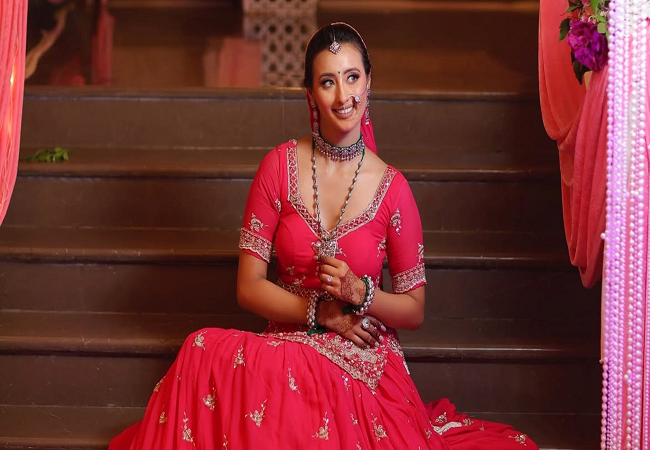
Accessorising Indian outfits isn’t about piling on more jewellery; it’s about matching the right pieces to the outfit’s neckline, fabric, and occasion. A saree calls for different jewellery logic than a fitted kurti or a flowing anarkali, and the same goes for footwear, bags, and even hairstyling. Get the balance right, and a simple outfit can look festive. Get it wrong, and even an expensive lehenga can look cluttered rather than put-together. One of the most common mistakes is treating every accessory category as optional add-ons, picked separately without considering how they’ll sit together.
This guide breaks down ten practical ways to think about accessorising, from necklines and earrings to dupattas, footwear, and details people tend to overlook, like rings and hair accessories.
Easy Ways to Accessorise Indian Outfits
1. Let the Neckline Decide Your Necklace
Before picking a necklace, look at what the outfit’s neckline is already doing.
- A saree blouse with a deep back or boat neck usually looks better with a shorter necklace or choker, so the neckline stays visible
- High-neck kurtis and anarkalis pair well with longer chains or pendant-style necklaces, since a choker competes with the collar
- For heavily embroidered lehenga blouses, skipping the necklace and letting earrings carry the look often works better than layering
For a saree with a plunging-back blouse in a jewel tone like emerald or rani pink, a delicate choker keeps attention on the back detailing rather than competing with it. A floor-length anarkali with a high, embroidered collar, on the other hand, usually looks cleaner with just drop earrings and no necklace at all, since the collar is already doing that job.
2. Choose Earrings Based on How Much Movement You Want
For sarees especially, earrings tend to matter more than the necklace, simply because they sit closer to the face and show up in almost every photo.
- Jhumkis and danglers add movement and suit silk or heavier sarees well
- Simple studs work better with lightweight cotton or linen sarees, where a heavier earring can feel top-heavy
- For everyday kurtis, smaller silver earrings in oxidised or plain finishes tend to hold up through a full day better than heavier gold-toned pieces
A raw silk saree in a deep maroon or mustard, for example, can carry a longer jhumki without looking excessive, while a soft chiffon or georgette saree in pastel shades usually looks cleaner with a smaller drop or stud.
3. Don’t Overlook Bangles and Bracelets
Bangles are often an afterthought, but they change the entire silhouette of an outfit, especially with three-quarter or elbow-length sleeves.
- A stack of thin bangles suits salwar suits and casual kurtis
- A single, wider silver kada makes more sense with lehengas or sharara sets, where one statement piece looks more intentional than several thin ones
- For Indo-western outfits, pairing a silver bracelet with a watch or a ring on the same hand can look more modern than a full bangle stack
A bridal-red or maroon lehenga with heavy zari work, for instance, often looks more finished with one broad kada on each wrist rather than a full chuda set, especially for daytime functions where a lighter look is preferred over a heavier bridal one.
4. Style the Dupatta Instead of Just Draping It
The dupatta is one of the easiest places to add personality to an outfit without buying new jewellery.
- Pin it at the shoulder with a small brooch for salwar suits, instead of letting it sit loosely
- Drape it asymmetrically over one shoulder for anarkalis, especially if the kurti has a busy print
- For sharara sets, a dupatta with tassels or gota edging can work as its own accessory
A plain cotton salwar suit in a solid colour, for instance, can pair well with a heavily embellished or mirror-work dupatta as the outfit’s main statement piece, while a printed or embroidered suit usually needs a simpler, solid-coloured dupatta to avoid visual clutter.
5. Match Your Bag to the Outfit’s Formality, Not Just Its Colour
A clutch or handbag can either complete a festive look or make it feel unfinished.
- Potli bags work well with lehengas and sharara outfits, especially in silk or velvet
- Structured clutches suit anarkalis and formal salwar suits better than slouchy totes
- For casual kurtis, a simple sling bag keeps the look practical without feeling mismatched
A black or gold potli with subtle embroidery, for example, tends to work across most lehenga colours without needing an exact match, while a bright or heavily embellished clutch is better saved for solid-coloured anarkalis, where it won’t compete with a busy print.
6. Pick Footwear That Matches the Outfit’s Silhouette
Footwear is easy to get wrong because it’s rarely visible in photos, but it affects how comfortable and how put-together you actually feel.
- Juttis or mojaris suit anarkalis, sharara sets, and most festive Indian wear
- Block heels or wedges work better with sarees than thin stilettos, especially if you’re standing for long stretches
- Flats or simple sandals are usually the better choice with everyday kurtis and salwar suits
For a saree in a bold shade like royal blue or maroon, nude or gold block heels tend to go with almost anything, while coloured juttis are better chosen to either match or deliberately contrast with the dupatta or blouse.
7. Use Hair Accessories to Frame the Face, Not Just Decorate It
A maang tikka or hairpin does more work than people give it credit for; it draws attention exactly where the rest of the outfit is already pointing.
- A maang tikka suits lehengas and bridal-style anarkalis, especially with hair tied back
- Small pearl or silver hairpins work well for everyday kurtis and salwar suits, mainly to keep hair off the face
- Hair chains or maang patti styles pair naturally with indo-western outfits, especially with open or half-tied hair
When the outfit already has a heavily embellished neckline or dupatta, keeping hair accessories minimal one hairpin rather than a full hair chain usually keeps the overall look balanced instead of competing for attention.
8. Add Rings for Detail Without Overdoing It
Rings are one of the most overlooked accessories for Indian outfits, mostly because hands rarely get planned for.
- A single statement ring works well with lehengas or sharara sets, particularly worn on the same hand as bangles
- Delicate, stackable rings suit daily kurti or salwar suit wear
- For Indo-Western outfits, mixing metals or textures on rings tends to look more current than matching everything to one metal
A single oxidised silver ring with a Pahadi-style motif can stand out well against a plain silk saree, while a delicate pair of thin rings suits a simple cotton kurti without drawing too much attention to the hands.
9. Use Watches and Belts to Sharpen Indo-Western Looks
Indo-western outfits give you more room to borrow from western styling, and this is where watches and belts come in.
- A minimalist watch pairs well with a kurta-dress or dhoti-pants combination
- A thin belt cinched over a long kurta or an anarkali-style dress adds shape without changing the outfit
- These pieces tend to work less well with traditional sarees or lehengas, where they can look out of place
A structured leather belt over a solid-coloured long kurta, paired with straight-fit pants, is a common indo-western combination for daytime events, while a thinner chain-link belt tends to suit flowier, dress-style anarkalis better.
10. Let One Metal Anchor the Whole Look
With so many pieces in play earrings, bangles, rings, hair accessories it helps to anchor everything around one metal rather than mixing gold, silver, and oxidised pieces in the same outfit.
- Oxidised or plain handcrafted silver jewellery tends to work across a wider range of outfits, from casual kurtis to festive lehengas, without looking mismatched
- If mixing metals on purpose, keep it to two silver with an oxidised or antique-finish necklace, for instance, rather than three tones at once
- For festive Indian wear, a slightly heavier or textured silver piece can carry the same visual weight as gold, without the same cost
A plain silver necklace with matching earrings, for instance, can move from a casual kurti during the day to a festive sharara outfit in the evening with just a change of bangles or a dupatta, part of why many people default to silver as a wardrobe staple instead of buying a separate set for every outfit.
Final Thoughts
None of this requires buying an entirely new set of jewellery for every outfit. Most of it comes down to noticing what an outfit’s neckline, sleeve length, and fabric are already doing, and choosing pieces that support that instead of working against it. Start with one or two of these matching earrings to match how much movement you want, or pick one metal to anchor a look, and the rest tends to fall into place over time, whether you’re getting ready for a wedding season full of functions or just figuring out how to make a plain kurti feel a little more finished for a regular Tuesday.
Common Questions And Answers About Accessorise Indian Outfits
What outfits go well with silver jewellery?
Silver works across most of Indian wear, from cotton kurtis to silk sarees and lehengas. Oxidised silver tends to suit festive and ethnic outfits, while polished silver pairs more naturally with indo-western pieces.
What is the 2:1:1 rule for jewellery?
It's a general styling guideline: two subtle pieces, one medium piece, and one statement piece, layered by impact rather than matched by size. Applied to Indian jewellery, that could mean simple studs, a medium bangle stack, and one statement kada or necklace.
How can I style my jewellery to look classy rather than casual?
Stick to one dominant metal tone, avoid stacking more than one statement piece at a time, and let the outfit's own detailing embroidery, a printed dupatta, a busy blouse decide how much jewellery it can actually carry.
What does “quiet luxury” look like with Indian jewellery?
It usually means fewer, well-made pieces over heavy embellishment a plain silver kada instead of a full bangle set, or simple studs instead of large danglers with the outfit's fabric and cut doing most of the talking.